Importance of Impurity Analysis
Impurity analysis ensures product purity, identifies harmful substances, meets regulatory standards, and helps optimize manufacturing processes. It is essential for maintaining high-quality and safe products.
Types of Impurities
Impurities can be organic (unreacted materials, by-products, degradation products), inorganic (metals, salts, catalysts), residual solvents, or polymorphic (different crystal forms). Each type requires specific analytical techniques for detection and quantification.
Steps in Impurity Analysis
The process begins with sample preparation to isolate impurities, followed by detection using techniques like HPLC, GC, NMR, or MS. Quantification measures impurity concentrations, while structural elucidation identifies unknown impurities. Finally, results are compared to regulatory limits for compliance.
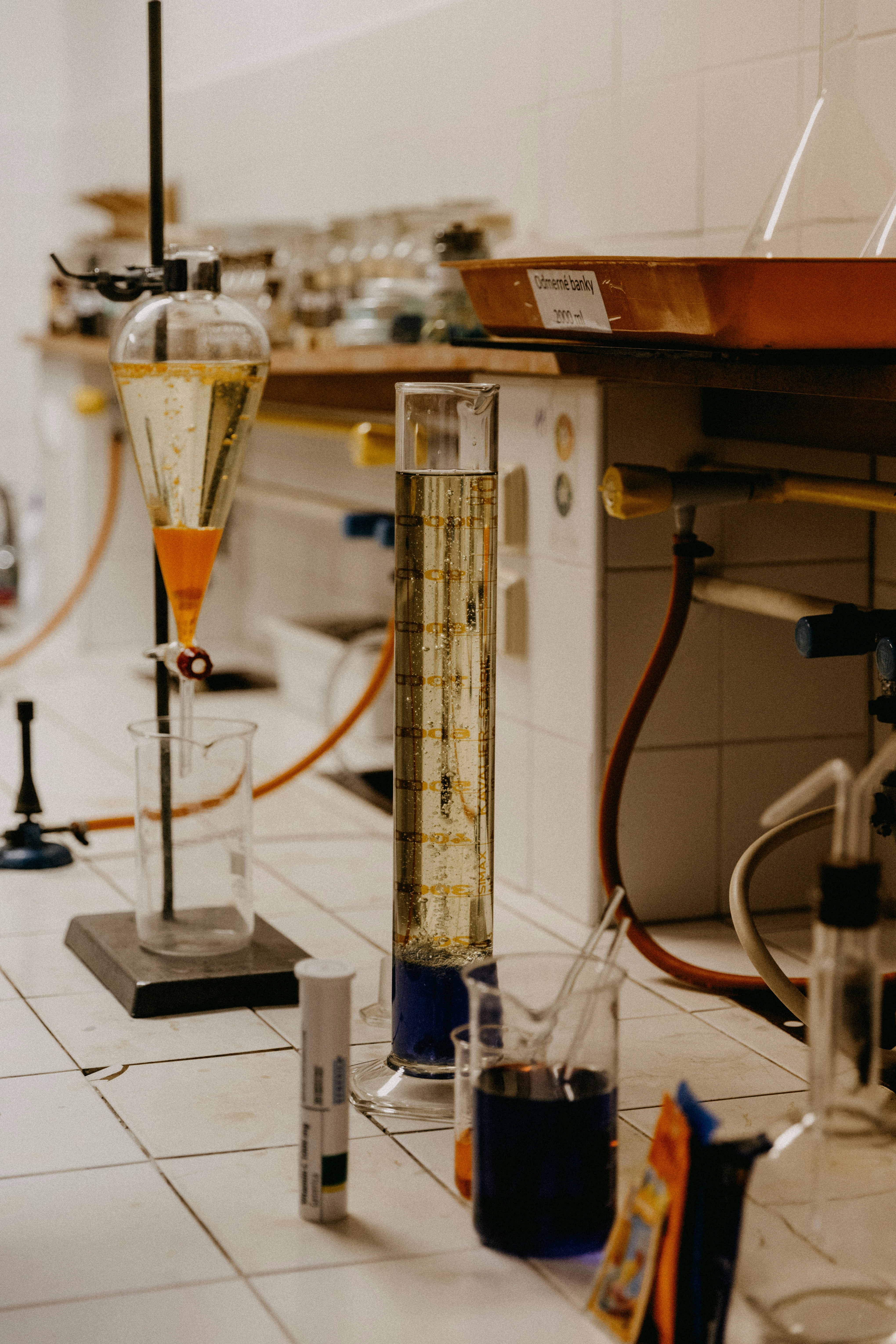
Chromatography
HPLC (High-Performance Liquid Chromatography): Widely used for separating and quantifying organic impurities.
GC (Gas Chromatography): Ideal for volatile impurities and residual solvents.
TLC (Thin-Layer Chromatography): Quick and cost-effective for preliminary screen
Spectroscopy
NMR (Nuclear Magnetic Resonance): Provides detailed structural information.
IR (Infrared Spectroscopy): Identifies functional groups.
UV-Vis (Ultraviolet-Visible Spectroscopy): Detects conjugated systems.
MS (Mass Spectrometry): Determines molecular weight and fragmentation patterns.
Elemental Analysis
ICP-MS (Inductively Coupled Plasma Mass Spectrometry): Detects trace metals.
ICP-OES (Inductively Coupled Plasma Optical Emission Spectroscopy): Quantifies inorganic impurities.
Thermal Analysis
DSC (Differential Scanning Calorimetry): Identifies polymorphic impurities.
TGA (Thermogravimetric Analysis): Measures thermal stability and decomposition.
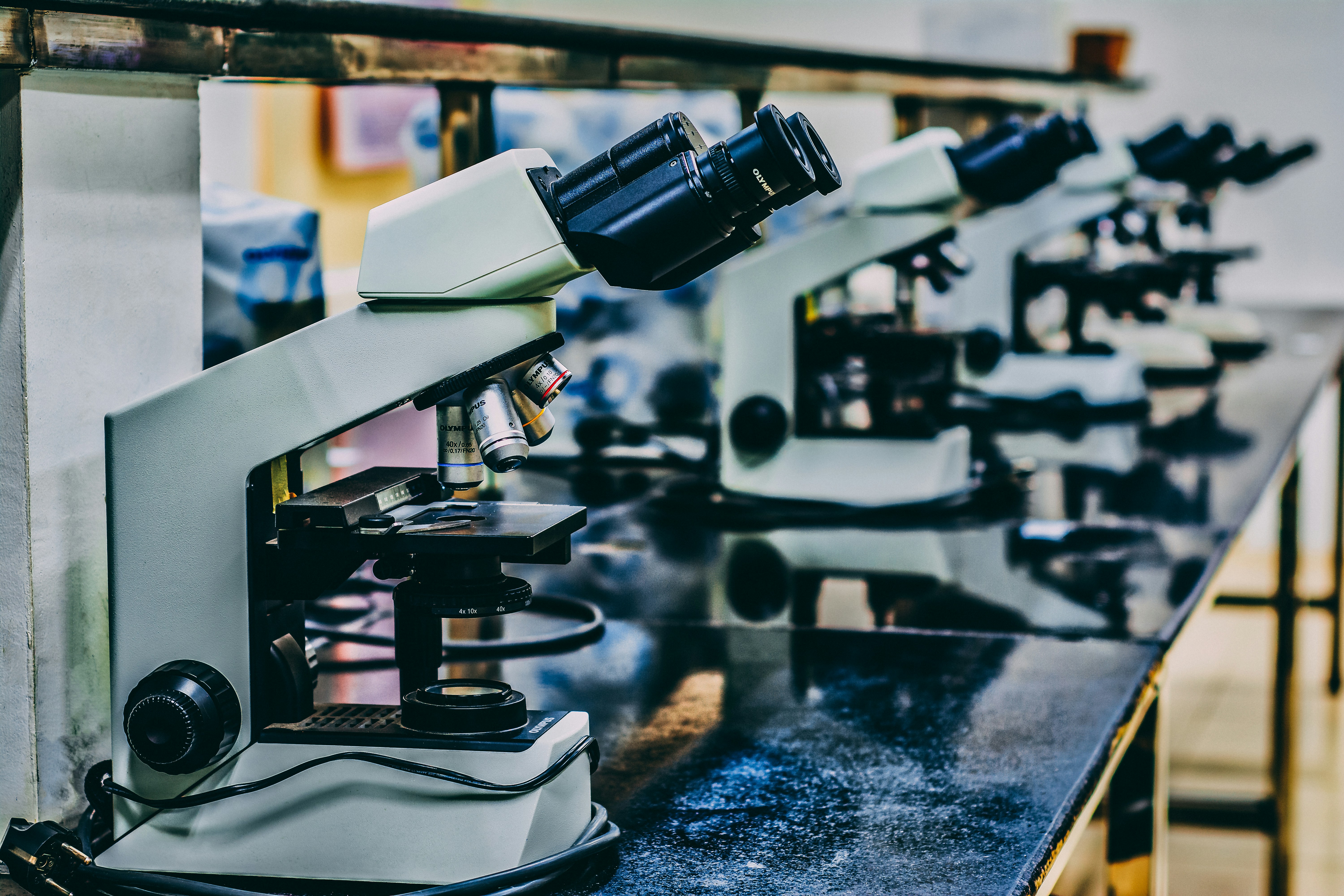
Key Analytical Techniques
Common techniques include chromatography (HPLC, GC, TLC) for separation, spectroscopy (NMR, IR, UV-Vis, MS) for identification, elemental analysis (ICP-MS, ICP-OES) for inorganic impurities, and thermal analysis (DSC, TGA) for polymorphic forms.
Challenges in Impurity Analysis
Challenges include detecting trace-level impurities, analyzing complex matrices, identifying unknown impurities, and keeping up with evolving regulatory requirements. Advanced tools and methods are often needed to address these issues.
The future of impurity analysis lies in advanced tools like high-resolution mass spectrometry and AI for faster identification, green chemistry to minimize impurity formation, and real-time monitoring in continuous manufacturing processes.
By leveraging advanced techniques and adhering to regulatory standards, the organic chemistry industry can effectively control impurities, ensuring high-quality and safe products.


 Precision analytics